B
BORON
10.81
5
UNLOCKING BORON'S PROMISE FOR PATIENTS
Our boron platform is built on the unique ability of boron to engage biological targets in ways conventional chemistries cannot. Boron’s distinctive bonding properties allow for covalent yet reversible interactions, access to novel binding pockets, and the ability to mimic or disrupt key biochemical groups such as phosphates.
Our team helped pioneer boron-based drug discovery, leading to multiple FDA-approved medicines. At AN2, we’re advancing this chemistry with next-generation design and discovery capabilities—expanding its reach into areas where traditional small molecules have fallen short and new therapeutic approaches are needed most.
Advantages of boron chemistry
Novel target engagement
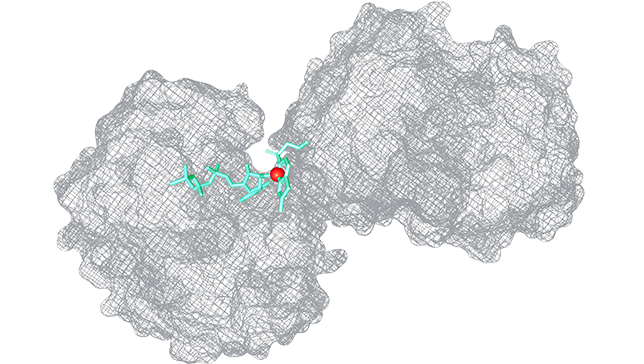
Boron can interact with targets that have historically been difficult to drug with conventional carbon-based small molecules.
Unique modes of action

Ability to form covalent but reversible bonds enables high potency while maintaining tunable pharmacokinetics.
Phosphate mimicry
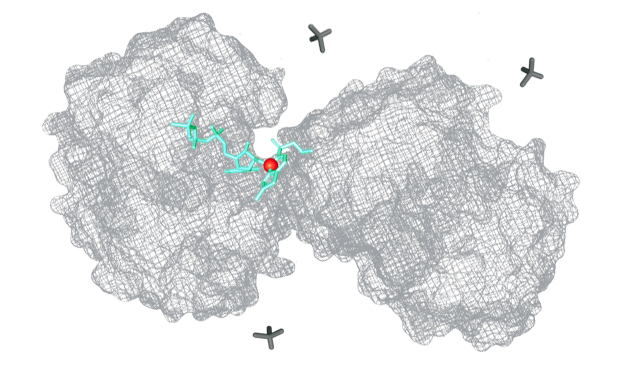
Boron’s chemical versatility allows it to act as a stable phosphate mimic, enabling inhibition of enzymes that rely on phosphate recognition.
Diverse applications
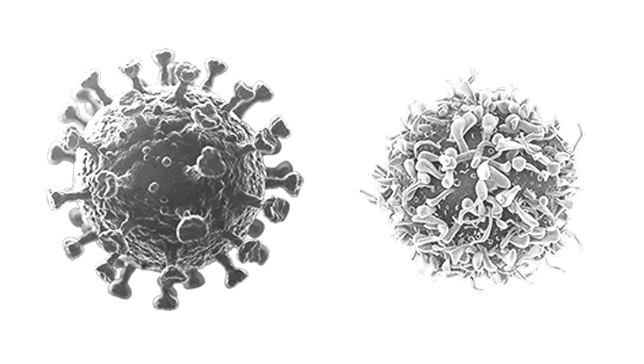
From infectious diseases to oncology, boron’s versatility opens multiple therapeutic avenues.
Boron-based chemistries create novel chemical matter in crowded target spaces
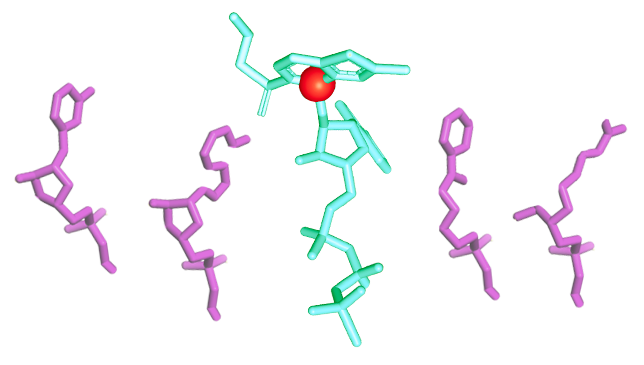
This offers clear differentiation and potential freedom-to-operate advantages where many competitors are pursuing the same target class.
How it works: Boron’s binding advantage
1
Target recognition
Boron atoms can adopt geometries that allow precise orientation into enzyme active sites, including those that exclude larger or more rigid scaffolds.
2
Covalent yet reversible bonding
Boron forms a coordinate covalent bond with nucleophilic residues (such as serine or threonine) in the target protein, locking in high potency without permanent inactivation.
3
Selective engagement
The bond’s reversibility enables fine-tuning of binding strength and selectivity, reducing off-target effects and enabling better safety profiles.
How it works: Boron’s binding advantage


Boron chemistry has already produced medicines for infectious disease, inflammatory conditions, and cancer. AN2’s pipeline builds on this foundation, aiming to deliver differentiated treatments across infectious diseases and cancer.